
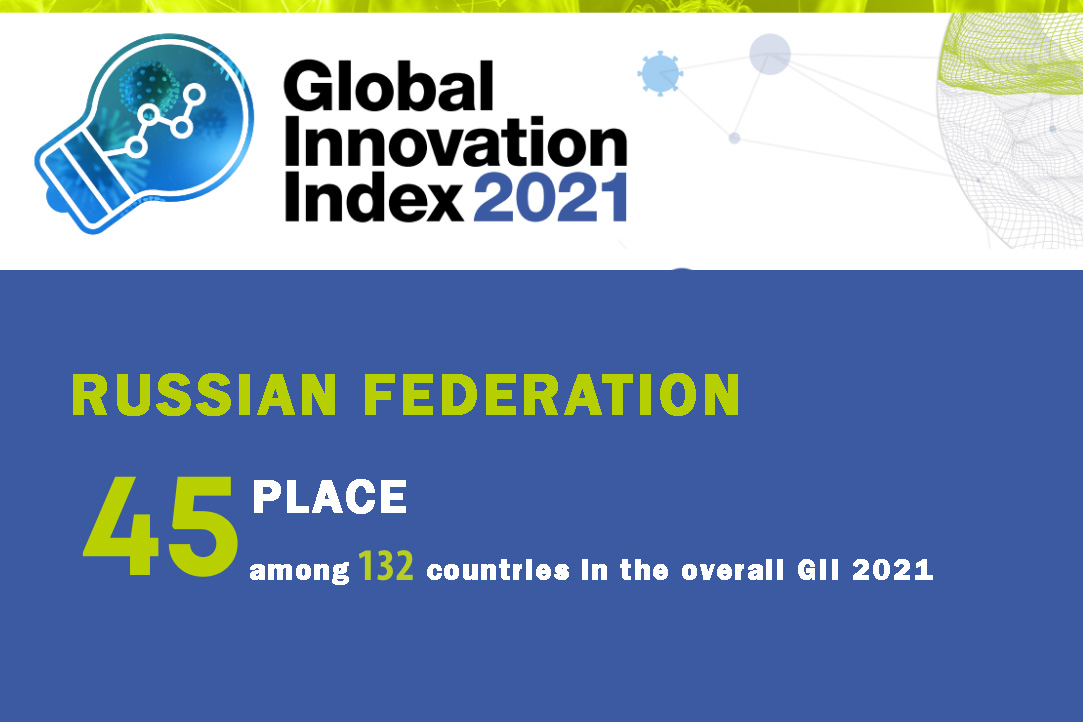
Global Innovation Index 2021 Unveiled
Russia has improved its position in the Global Innovation Index (GII) 2021, ranking 45th among 132 economies and closing the distance to leading countries thanks to better performance in all areas of research, innovation, and creative activities. For the past several years, the Institute for Statistical Studies and Economics of Knowledge (ISSEK) at HSE University has provided advice on the research underlying the index. This year, ISSEK became one of the nine members of the GII Academic Partners Network.

Russians’ Digital Practices During Lockdown
The HSE Institute for Statistical Studies and Economics of Knowledge has released the results of its survey on digital practices in 2020, which illustrate the changes in how people have mastered new formats to solve routine tasks.The HSE Institute for Statistical Studies and Economics of Knowledge has released the results of its survey on digital practices in 2020, which illustrate the changes in how people have mastered new formats to solve routine tasks.
‘Science. Technology. Innovation. 2021’
The main trends in the S&T and innovation development of Russia are presented in the Pocket Data Book ‘Science. Technology. Innovation. 2021’ developed by HSE ISSEK. The publication includes the most recent statistical data on R&D input and output, as well as international comparisons.
Digital Economy: 2020
This pocket data book contains the most recent statistical data representing the level and dynamics of the digital economy development in the Russian Federation. International comparisons are provided for a number of indicators.
Russian Regional Innovation Scoreboard. Issue 6
The Issue 6 prepared by the HSE Institute for Statistical Studies and Economics of Knowledge as part of Russian Cluster Observatory activities is dedicated to the assessment of innovation development of Russian regions on the basis of ranking scores.
HSE University Presents First Global Cities Innovation Index
According to HSE University’s Global Cities Innovation Index, New York and London are the world’s most attractive megacities to innovators implementing creative and technological initiatives. Moscow ranked among the rating’s top ten cities, leading in the areas of ‘Innovation Infrastructure’ and ‘Digital Infrastructure and Services’. HSE researchers presented the index at this year’s Open Innovations Forum.
Science. Technology. Innovation: 2020
This pocket data book contains the main S&T and innovation indicators for the Russian Federation. The publication includes the most recent statistical data on R&D input and output, as well as international comparisons.

One Quarter of Russian University Instructors Don’t Use Online Instruction Tools, HSE Data Show
The HSE Institute for Statistical Studies and Economics of Knowledge (ISSEK) has presented data about the current conditions in which Russia’s schools and universities must now transition to online learning. According to their data, only 11.4% of university instructors with a PhD (or Doctor of Sciences degree) used online tools in their teaching in the last year.
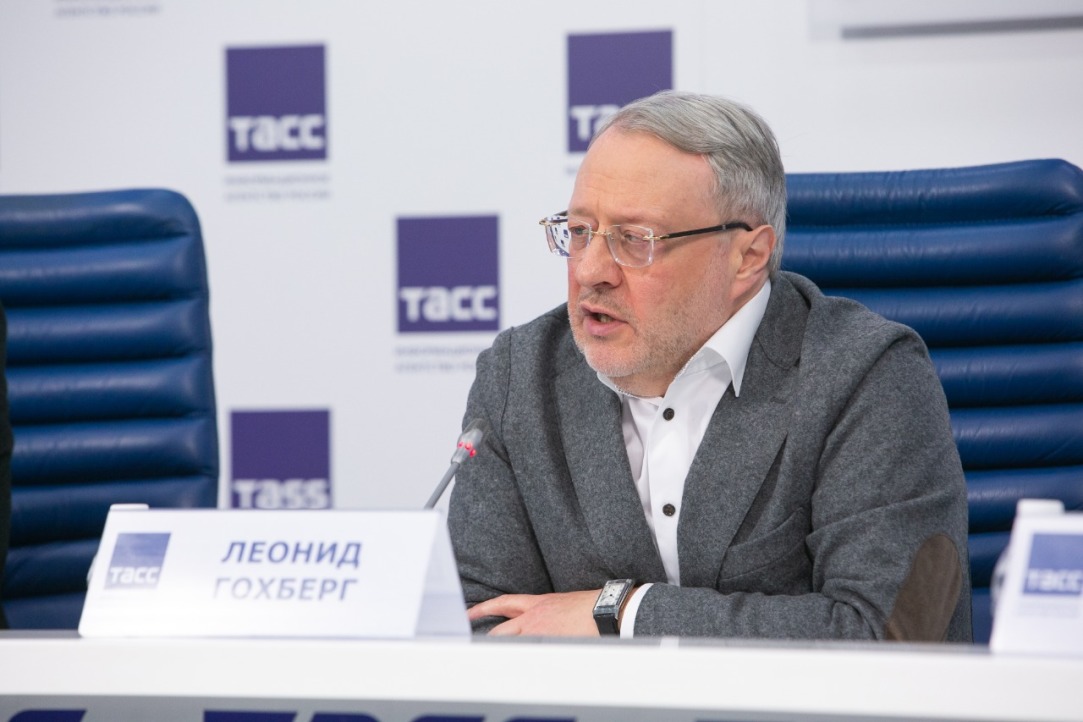
HSE Presents 6th Russian Regional Innovation Development Ranking
Moscow, Tatarstan and St. Petersburg are the leaders of the new ranking. Based on 53 indicators, the ranking can be used by regional governments to develop and optimize their innovation policy. The ranking presentation was held on October 31 at a press conference hosted by the TASS news agency.
Internal Expenditures on Digital Economy Development
The HSE Institute for Statistical Studies and Economics of Knowledge presents results of the pilot calculation of internal expenditures on digital economy development, based on data collected in the course of federal statistical observations and by the Bank of Russia. According to the HSE ISSEK estimates, in 2017 internal expenditures on digital economy development amounted to approximately 3.3 trillion roubles, or 3.6% of GDP.