
‘Science. Technology. Innovation. 2021’
The main trends in the S&T and innovation development of Russia are presented in the Pocket Data Book ‘Science. Technology. Innovation. 2021’ developed by HSE ISSEK. The publication includes the most recent statistical data on R&D input and output, as well as international comparisons.

‘Cooperation with R&D Organisations and Universities Is Significantly Distinctive for Advanced Innovators’
The innovation performance of firms depends on their ability to innovate in cooperation with external partners. In their study, HSE researchers found that most of innovation in Russian manufacturing happens in a sort of open processes, but extensive cooperation networks are barely detectable. The study was published in the December issue of Foresight and STI Governance.
Digital Economy: 2020
This pocket data book contains the most recent statistical data representing the level and dynamics of the digital economy development in the Russian Federation. International comparisons are provided for a number of indicators.
Russian Regional Innovation Scoreboard. Issue 6
The Issue 6 prepared by the HSE Institute for Statistical Studies and Economics of Knowledge as part of Russian Cluster Observatory activities is dedicated to the assessment of innovation development of Russian regions on the basis of ranking scores.

From Future to Present: How the Coronavirus Crisis Opens up New Opportunities for Domestic Business
The pandemic has put global development on hold and this is a chance for Russia to occupy market niches that were previously closed. But innovation should become as essential as air and, without information technology, new niches will still not be open. Alexander Chulok, Director of the HSE University Centre for Science and Technology Foresight, spoke about this in a special report at the global conference' Accelerate Global 2020’.
HSE University Presents First Global Cities Innovation Index
According to HSE University’s Global Cities Innovation Index, New York and London are the world’s most attractive megacities to innovators implementing creative and technological initiatives. Moscow ranked among the rating’s top ten cities, leading in the areas of ‘Innovation Infrastructure’ and ‘Digital Infrastructure and Services’. HSE researchers presented the index at this year’s Open Innovations Forum.
HSE University to Present Its New HSE Global Cities Innovation Index at the Open Innovations Forum 2020
On October 19, the first public presentation and discussion of the HSE Global Cities Innovation Index will take place at this year’s international Open Innovations Forum. The index, developed by HSE University researchers, is the first of its kind.

Artificial Intelligence for Proactive Policy: A Letter from Leonid Gokhberg to ‘Nature’
As the situation with COVID-19 has shown, mistakes associated with insufficiently developed policy measures in medicine, science, education and other socially significant sectors of the economy are very costly for society. In the July issue of Nature, First Vice-Rector, HSE ISSEK Director Leonid Gokhberg discussed the topic of the growing practice of making management decisions based on big data analysis.
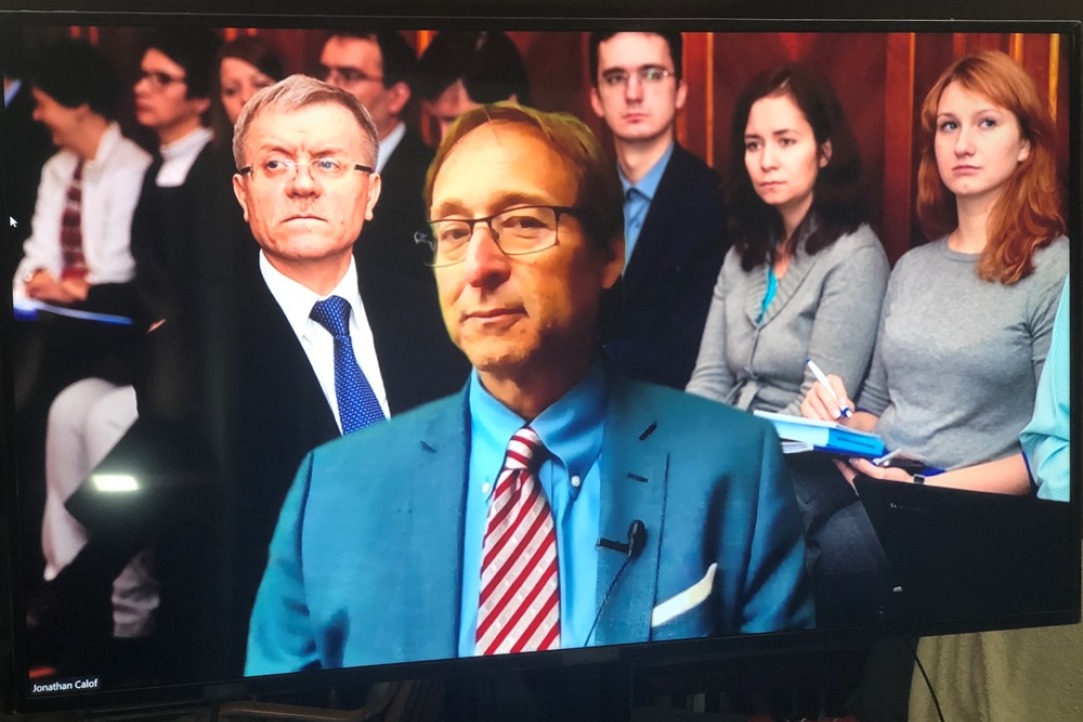
Jonathan Calof: 'I Hope That I Will Be Able to Travel to Moscow to Be with My HSE Colleagues and Friends Soon'
Jonathan Calof has been cooperating with HSE since 2009. In an interview with HSE News Service he talks about how his involvement with HSE began, what projects he has been part of, and how he has organised his online work during the recent lockdown.

HSE Study Findings: 74 Percent of Teachers Who Did Not Employ Online Resources Now Use Them
A large-scale study conducted by the HSE Laboratory for Media Communications in Education found that the situation with online education is better than was first thought when schools had to switch to Internet-based learning to help stop the spread of coronavirus infections.