

HSE ISSEK Report Is the Most-cited Publication in the Digital Field
Issued in 2019 by the Institute for Statistical Studies and Economics of Knowledge (ISSEK) at HSE University, the report‘What is the Digital Economy?’ has topped the Russian Science Citation Index list of the 6,000 most-cited publications in the digital field in 2019–2021. Analysis of the database shows that other ISSEK papers on digital topics have also become hits in the research world.

HSE ISSEK Researchers Analyse Opportunities for Scientific Cooperation between Developing Countries in BRICS + Global South Format
Volume of R&D funding and number of Scopus-indexed publications of the BRICS countries in total already exceed those of the EU-total and the United States. These metrics have opportunity for further growth if the five developing countries strengthen scientific cooperation with other countries from Global South that have significant growth potential. Researchers from the Institute for Statistical Studies and Economics of Knowledge Alexander Sokolov, Sergey Shashnov, and Maxim Kotsemir analysed the opportunities for research collaboration within these clusters of countries along with the obstacles standing in the way of greater cooperation.
Global Innovation Index 2021 Unveiled
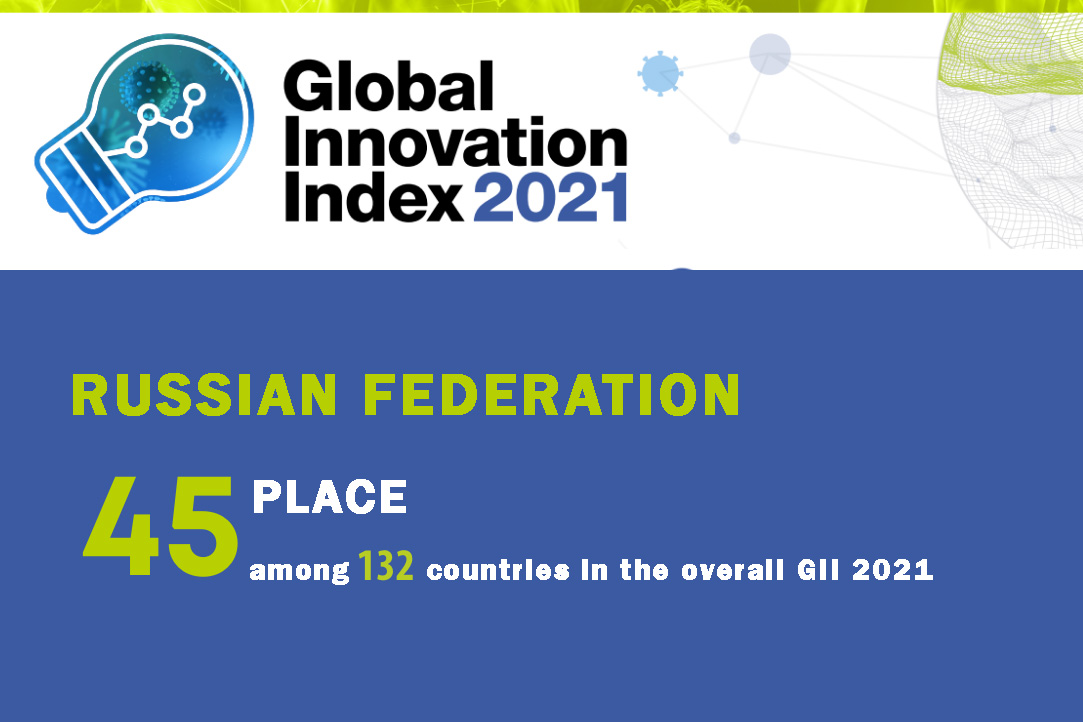
Russia has improved its position in the Global Innovation Index (GII) 2021, ranking 45th among 132 economies and closing the distance to leading countries thanks to better performance in all areas of research, innovation, and creative activities. For the past several years, the Institute for Statistical Studies and Economics of Knowledge (ISSEK) at HSE University has provided advice on the research underlying the index. This year, ISSEK became one of the nine members of the GII Academic Partners Network.
HSE University First Vice Rector Co-Authors 2021 UNESCO Science Report
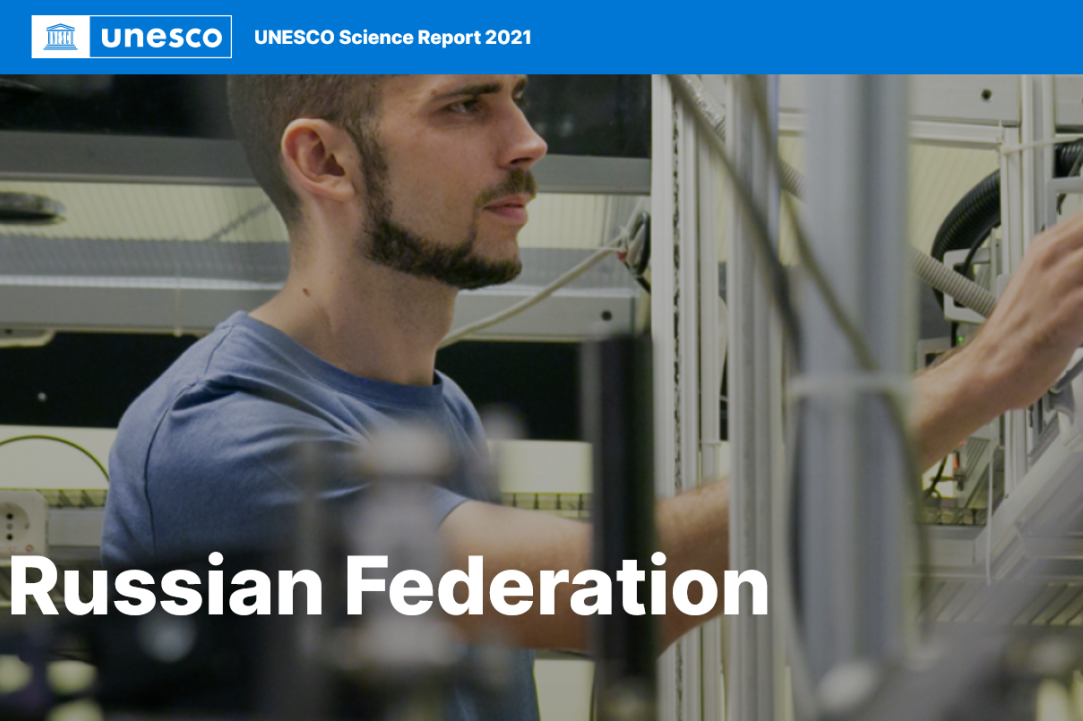
On Friday, June 11, UNESCO held a ceremony to launch its new UNESCO Science Report, which arrives at a crucial moment as countries reach the halfway mark of meeting the UN’s Sustainable Development Goals by 2030. The Report shows that, over the past five years, countries of all income levels have begun efforts to transition to economies that are both digital and green. At the ceremony, six of the Report’s authors provided overviews of trends in their regions. Representing the East European region was Professor Leonid Gokhberg, First Vice Rector of the HSE University and Director of the HSE Institute for Statistical Studies and Economics of Knowledge (ISSEK).
Moscow’s Creative Economy in Figures
This report presented by the Institute for Statistical Studies and Economics of Knowledge of the National Research University Higher School of Economics (HSE ISSEK) is dedicated to the statistical measurement of the creative economy of Moscow.

Russians’ Digital Practices During Lockdown
The HSE Institute for Statistical Studies and Economics of Knowledge has released the results of its survey on digital practices in 2020, which illustrate the changes in how people have mastered new formats to solve routine tasks.The HSE Institute for Statistical Studies and Economics of Knowledge has released the results of its survey on digital practices in 2020, which illustrate the changes in how people have mastered new formats to solve routine tasks.
‘Science. Technology. Innovation. 2021’
The main trends in the S&T and innovation development of Russia are presented in the Pocket Data Book ‘Science. Technology. Innovation. 2021’ developed by HSE ISSEK. The publication includes the most recent statistical data on R&D input and output, as well as international comparisons.

‘Cooperation with R&D Organisations and Universities Is Significantly Distinctive for Advanced Innovators’
The innovation performance of firms depends on their ability to innovate in cooperation with external partners. In their study, HSE researchers found that most of innovation in Russian manufacturing happens in a sort of open processes, but extensive cooperation networks are barely detectable. The study was published in the December issue of Foresight and STI Governance.

From Future to Present: How the Coronavirus Crisis Opens up New Opportunities for Domestic Business
The pandemic has put global development on hold and this is a chance for Russia to occupy market niches that were previously closed. But innovation should become as essential as air and, without information technology, new niches will still not be open. Alexander Chulok, Director of the HSE University Centre for Science and Technology Foresight, spoke about this in a special report at the global conference' Accelerate Global 2020’.
HSE University Presents First Global Cities Innovation Index
According to HSE University’s Global Cities Innovation Index, New York and London are the world’s most attractive megacities to innovators implementing creative and technological initiatives. Moscow ranked among the rating’s top ten cities, leading in the areas of ‘Innovation Infrastructure’ and ‘Digital Infrastructure and Services’. HSE researchers presented the index at this year’s Open Innovations Forum.